
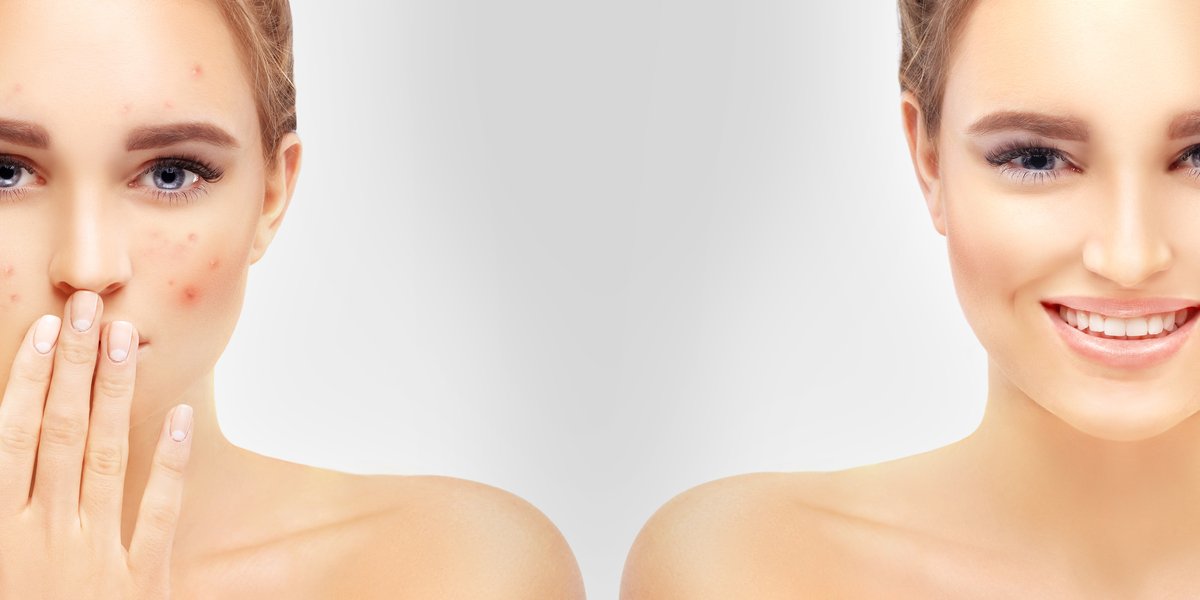
Dealing with Active Acne Breakouts: A Science-Backed Action Plan
Waking up to an active acne breakout can be incredibly frustrating. When a painful, red blemish appears, the immediate instinct is often to scrub it away or pop it. However, aggressive treatments usually backfire, leading to worsened inflammation, prolonged healing times, and permanent scarring. Effectively managing an active flare-up requires a strategic, gentle approach that targets the root causes of acne—excess sebum, clogged pores, bacteria, and inflammation—without damaging the skin barrier.
Understand the Anatomy of a Breakout
An active breakout occurs when a pore becomes clogged with dead skin cells and excess oil (sebum). This environment allows Cutibacterium acnes, a bacteria that lives on the skin, to thrive. As the body’s immune system fights off the bacterial overgrowth, the area becomes red, swollen, and filled with pus. Knowing this process helps you realize that a pimple is an internal inflammatory response, meaning you cannot simply wash or scrape it away.
The Core Topical Treatments
To calm a breakout quickly, look for over-the-counter dermatology staples that target different stages of the pimple’s lifecycle:
- Salicylic Acid (BHA): This oil-soluble acid penetrates deep inside the pores to dissolve the glue holding dead skin cells together. It clears out the blockage and reduces swelling.
- Benzoyl Peroxide: This powerful antibacterial agent introduces oxygen into the pore, effectively killing acne-causing bacteria. Use a 2.5% to 5% concentration to minimize skin irritation while maintaining efficacy.
- Hydrocolloid Patches: Commonly known as pimple patches, these act as a protective bandage. They absorb excess fluid, keep you from picking, and create a sterile environment for rapid healing.
Step-by-Step Daily Routine
During an active breakout, streamline your skincare routine to prevent further irritation.
- Cleanse Gently: Wash your face twice daily with a mild, non-comedogenic cleanser. Avoid harsh scrubs or mechanical brushes, which can pop blemishes prematurely and spread bacteria.
- Apply Spot Treatments: Dab a thin layer of benzoyl peroxide or salicylic acid directly onto the active lesions.
- Hydrate: Skipping moisturizer causes the skin to overproduce oil to compensate for dryness. Use a lightweight, oil-free gel moisturizer to maintain a healthy skin barrier.
- Protect: UV rays darken acne marks and prolong hyperpigmentation. Apply a broad-spectrum, mineral-based SPF 30+ every morning.
What to Avoid
The golden rule of acne management is to never pop, squeeze, or pick at a pimple. Squeezing forces bacteria and debris deeper into the dermal layer of the skin, which can double the lifecycle of the breakout and cause deep-pitted scars. Additionally, avoid DIY home remedies like applying toothpaste, lemon juice, or rubbing alcohol to the skin, as these substances severely https://skinmiraclesclinic.com/ disrupt your skin’s natural pH level and cause chemical irritation.
If your breakouts are consistently painful, deep under the skin (cystic), or do not improve after six weeks of consistent over-the-counter care, consult a board-certified dermatologist. They can provide targeted prescription therapies, such as topical retinoids, oral antibiotics, or hormonal treatments, tailored to your specific skin needs.