
The Evolution and Global Expansion of Italian Street Pizza
The global culinary landscape is experiencing a massive shift toward high-quality, authentic fast-casual concepts. At the forefront of this movement is the expansion of the “Italian Street Pizza” concept. Historically born as an affordable, quick meal for working-class citizens in the crowded alleyways of Naples, authentic street pizza is inherently designed for high-volume urban markets. By blending deep-rooted regional baking traditions with highly efficient, mobile, and modern business models, this concept is rapidly scaling far beyond the borders of Italy.
Core Product Diversity
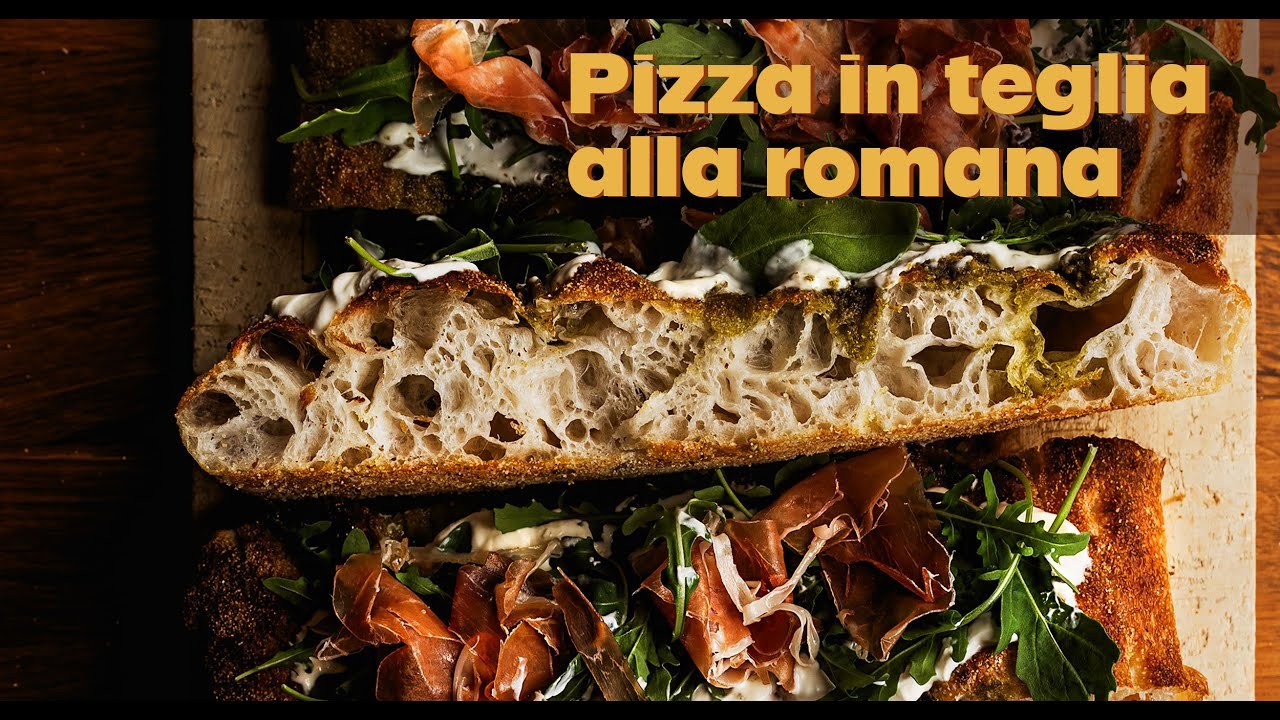
Scaling the concept internationally requires moving past standard delivery pies and showcasing diverse, portable regional styles tailored for consumption on the move. Rome’s Pizza al Taglio serves as a perfect anchor; baked in large rectangular trays and cut with scissors, it is sold by weight, allowing for rapid custom portioning and variety. For true traditionalists, the Neapolitan Pizza Portafoglio offers a smaller pizza folded twice into a “wallet” shape, wrapped in paper to eat cleanly while walking. Expanding the menu further includes Tuscan Schiacciata, a flatbread sliced horizontally and stuffed with cured meats, alongside Panzerotti, which are deep-fried turnovers filled with molten mozzarella and tomato sauce.
Operational Footprint Models
To achieve rapid geographic expansion, modern operators are pivoting away from heavy, slow-to-build brick-and-mortar trattorias toward agile, low-overhead formats. Kiosks and micro-counters placement in transit hubs, universities, and business districts utilize sub-400 square foot footprints to maximize revenue per square inch. Simultaneously, smart food trucks equipped with high-heat electric modular decks provide access to festivals, corporate catering, and pop-up events. For suburban markets, ghost kitchen integration allows brands to fulfill neighborhood delivery demand without the heavy capital expenditure of front-of-house overhead.
Strategic Scaling and Consistency
The primary challenge of expanding a artisanal food concept is maintaining quality control across multiple units. Successful brands solve this by utilizing centralized dough commissaries. Preparing and cold-fermenting high-hydration dough bases in a central hub ensures strict consistency and eliminates the need for highly skilled pizzaiolos at https://pizzafuniculi.com/ every retail point. At the storefront, a visual ingredient assembly format showcases premium components like Prosciutto di Parma and fresh Fior di Latte, driving impulse purchases through sensory appeal. Coupled with digital loyalty rewards and targeted weekly promotions, this operational framework transforms a traditional street food into a highly scalable, globally viable franchise model.
Are you looking to develop this article further for a specific audience? Let me know if you would like to focus on franchise financial modeling, a detailed kitchen equipment checklist, or a localized marketing strategy to launch the brand.